These botanical wonders in Minecraft are not only visually appealing but also serve multiple practical purposes, from crafting dyes to enhancing your landscapes. This comprehensive guide explores the unique attributes of various flowers and their optimal uses in your in-game adventures.
Table of Contents
- Poppy
- Dandelion
- Allium
- Rose Bush
- Wither Rose
- Peony Bush
- Lily of the Valley
- Tulip
- Azure Bluet
- Blue Orchid
- Cornflower
- Torchflower
- Lilac
- Oxeye Daisy
- Sunflower
Poppy
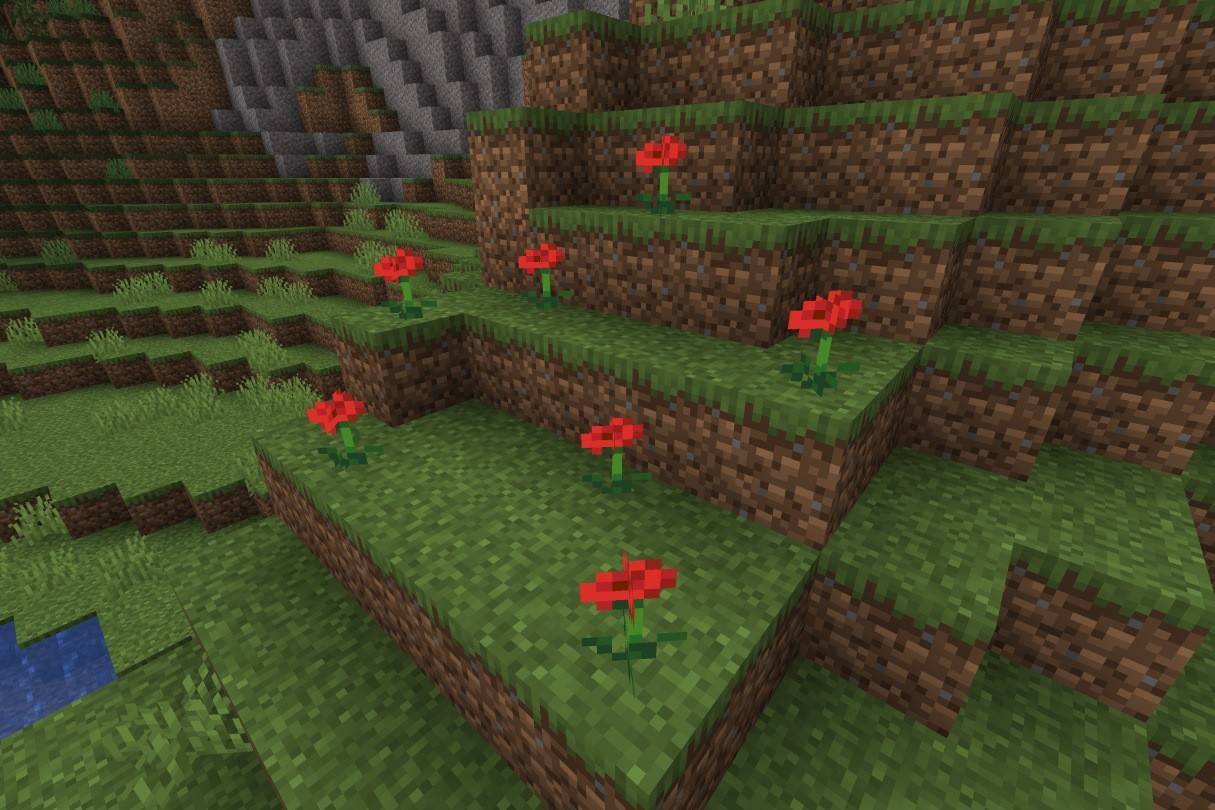 Image: ensigame.com
Poppies, small red flowers, have replaced the original "rose" and cyan flowers in earlier versions. Any existing flowers in your Minecraft world were automatically converted into poppies. These charming blooms naturally occur in various biomes and can also be dropped by Iron Golems, who occasionally gift them to village children.
Their primary use is in crafting red dye, which is essential for recoloring banners, beds, wool, sheep, and tamed wolf collars.
Dandelion
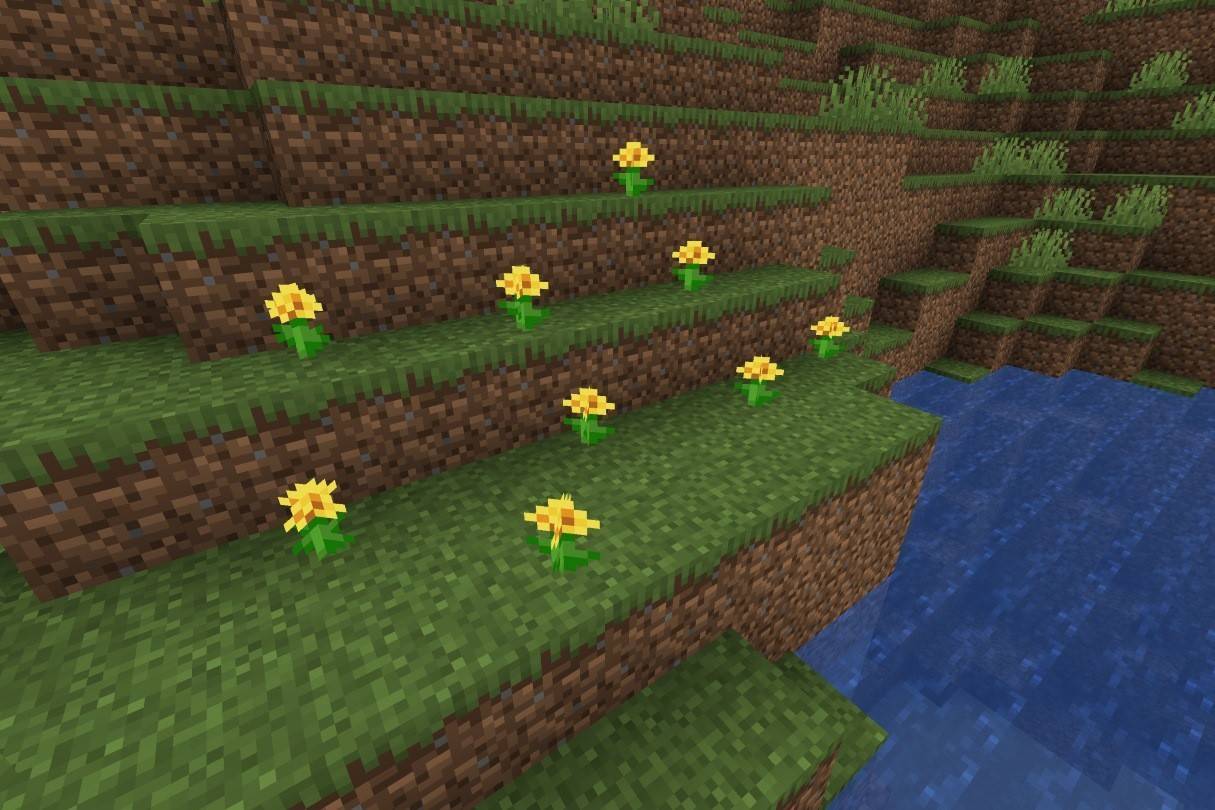 Image: ensigame.com
Dandelions, with their vibrant yellow blossoms, grow in most biomes except marshes and ice plains. They are commonly found in flower forests and are the main source of yellow dye. While dandelions produce one unit of dye, sunflowers yield two. This cheerful flower is invaluable for adding a splash of color to banners, wool, and other decorative elements.
Allium
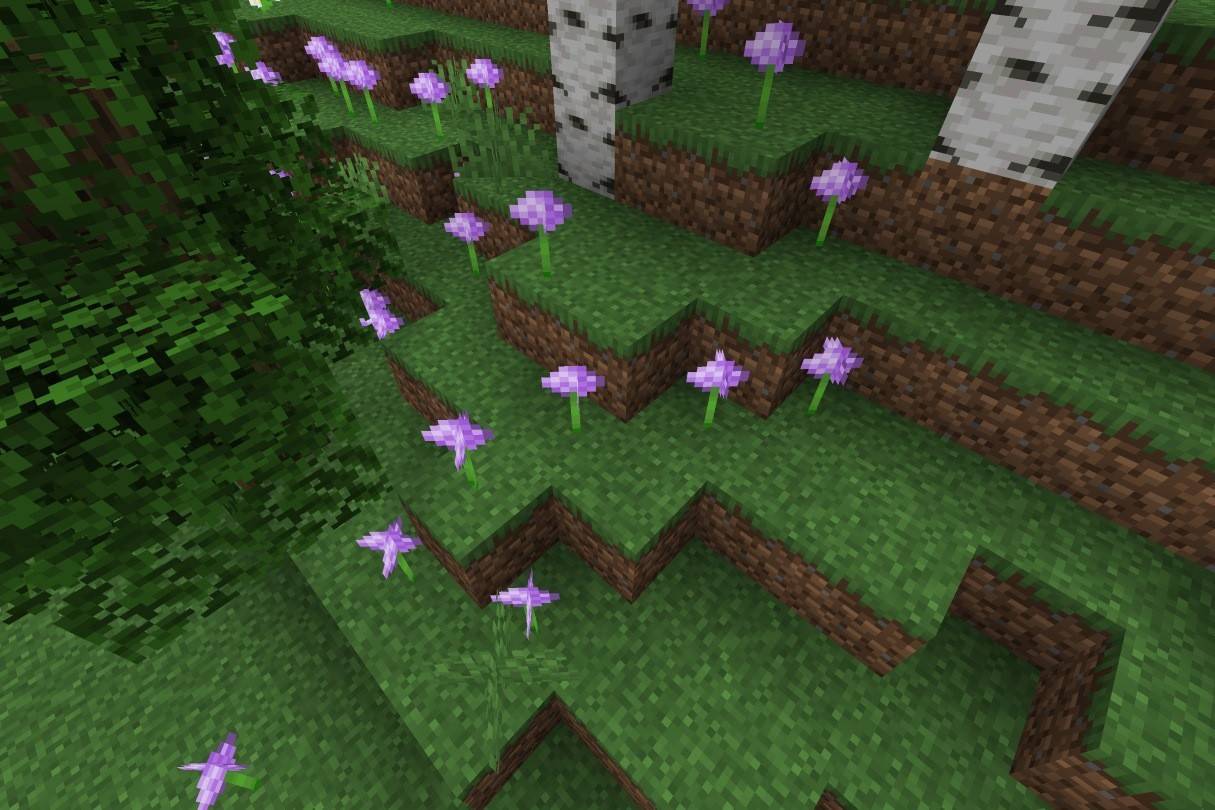 Image: ensigame.com
Alliums, stunning purple blooms, naturally grow in flower forest biomes. Their primary role is in creating magenta dye, which is crucial for recoloring mobs and crafting beautiful blocks like magenta stained glass, terracotta, and wool. These exquisite flowers elevate any garden or build.
Rose Bush
 Image: ensigame.com
Rose bushes are tall plants with red flowers found in various wooded biomes. Like lilacs and sunflowers, they are one of Minecraft's rare two-block-high flowers.
When collected, they produce red dye, commonly used to dye wool, banners, beds, leather armor, and other items. Unlike the dangerous wither rose, the rose bush is purely aesthetic and functional, making it a safe yet eye-catching addition to any landscape.
Wither Rose
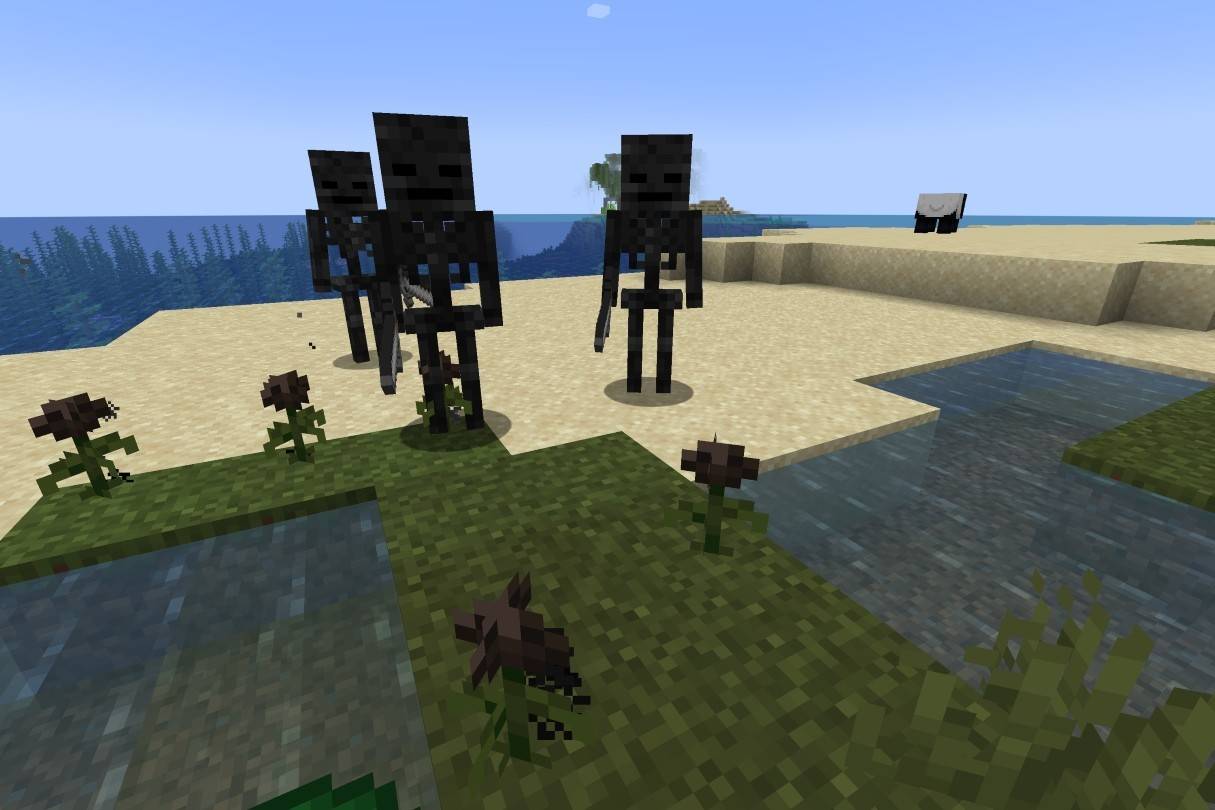 Image: ensigame.com
The wither rose is a rare and ominous flower that doesn't grow naturally but is generated when a mob is killed by the Wither or occasionally found in the Nether. Unlike rose bushes, stepping on a wither rose inflicts the Wither effect, gradually draining health and posing a deadly threat to unsuspecting players. This effect can be neutralized by drinking milk.
Black dye, used for recoloring leather armor, terracotta, banners, beds, and wool, is crafted from withered roses. They also contribute to crafting firework stars and black concrete powder, making them a unique yet hazardous resource.
Peony Bush
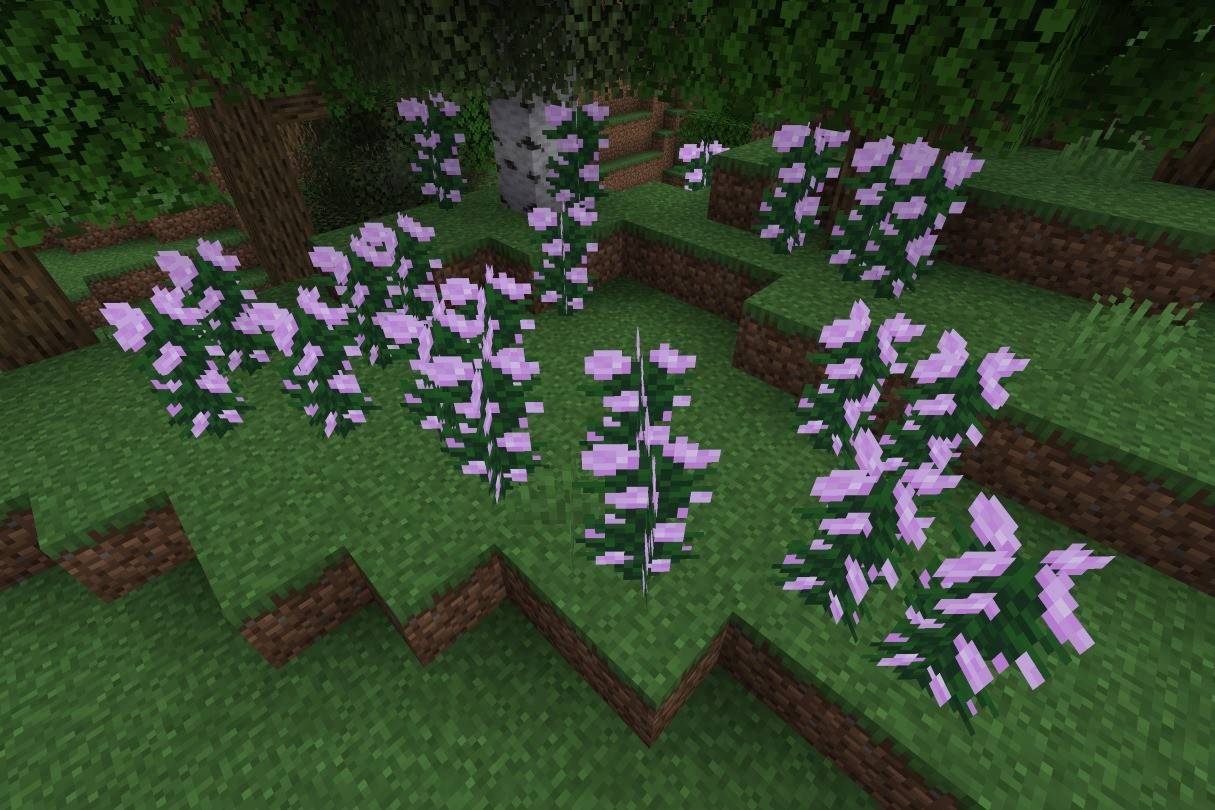 Image: ensigame.com
Peony bushes are tall plants with pink flowers thriving in woodland biomes. These beautiful blooms can be converted into pink dye by placing them on a crafting table or combining red and white dye. Players can propagate peonies with bone meal, allowing for endless cultivation.
Pink dye is useful for recoloring wool, stained glass, terracotta, and tamed wolf collars. Additionally, applying bone meal to grassy areas in specific biomes may result in pink flowers, expanding decorative options.
Lily of the Valley
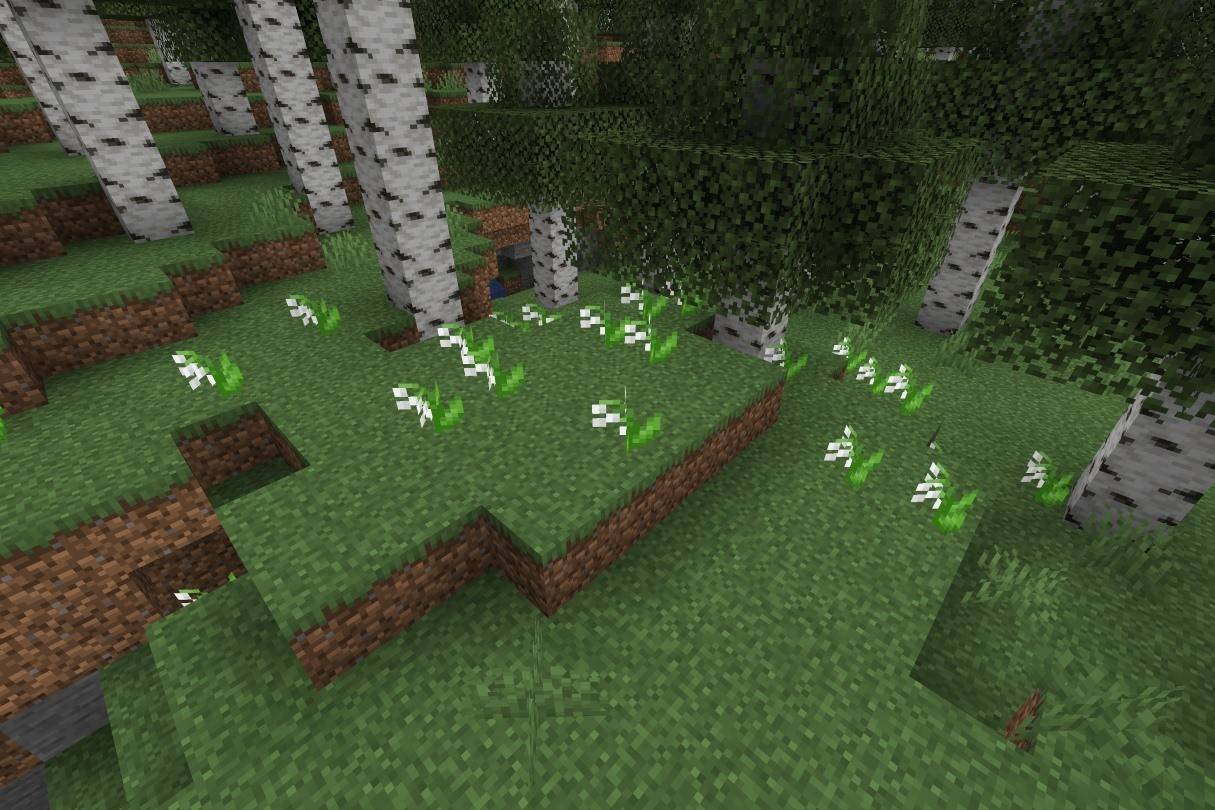 Image: ensigame.com
The Lily of the Valley is a pure, bell-shaped flower that grows in forest and floral forest biomes. It can be transformed into white dye, used to recolor wool, banners, beds, terracotta, and tamed wolf collars.
Beyond its primary use, white dye is essential for creating secondary dyes such as gray, light gray, light blue, lime, magenta, and pink. These versatile flowers often sprout on grass blocks in suitable biomes, making them an easily accessible resource.
Also read: Minecraft Building Opportunities: 50 Ideas for a Home
Tulip
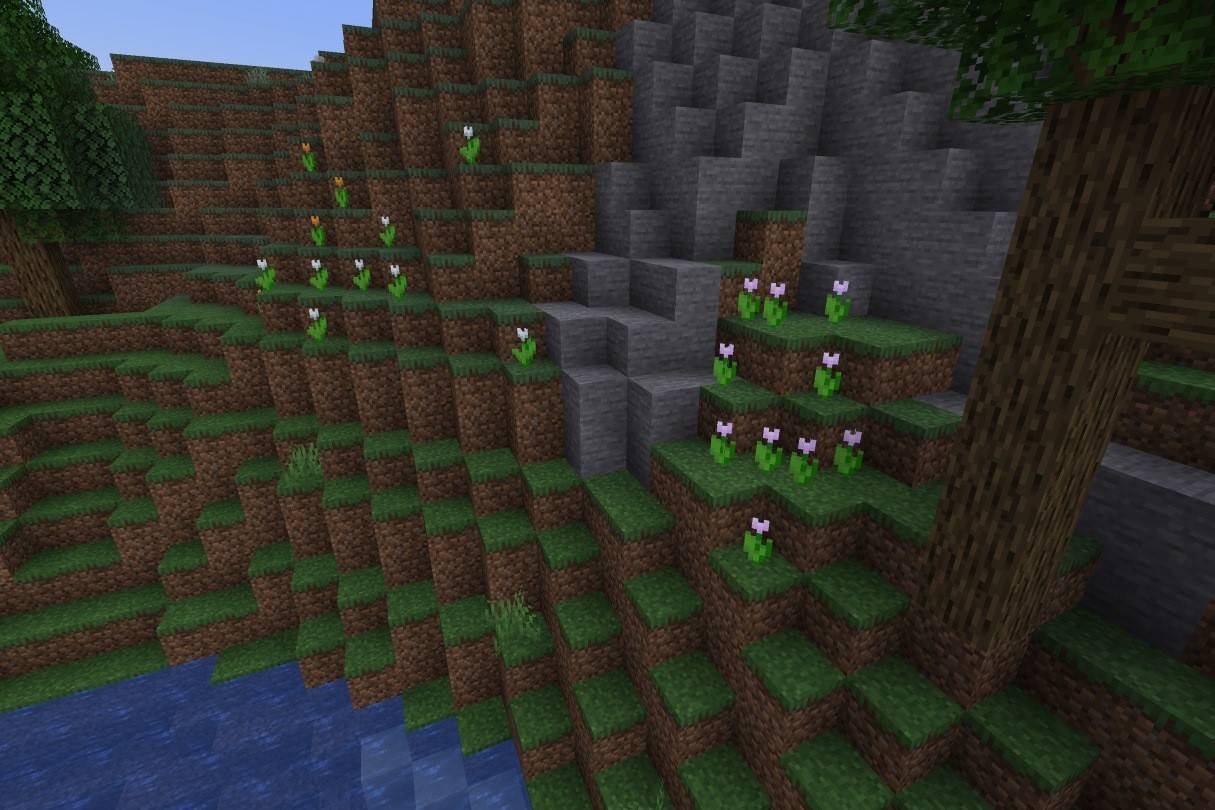 Image: ensigame.com
Tulips are among Minecraft's most diverse flowers, available in red, orange, white, and pink. They are found in plains and flower forests and are a key source of dye. Depending on their color, they can be dyed red, pink, orange, or light gray, offering numerous customization options for builds and items.
Azure Bluet
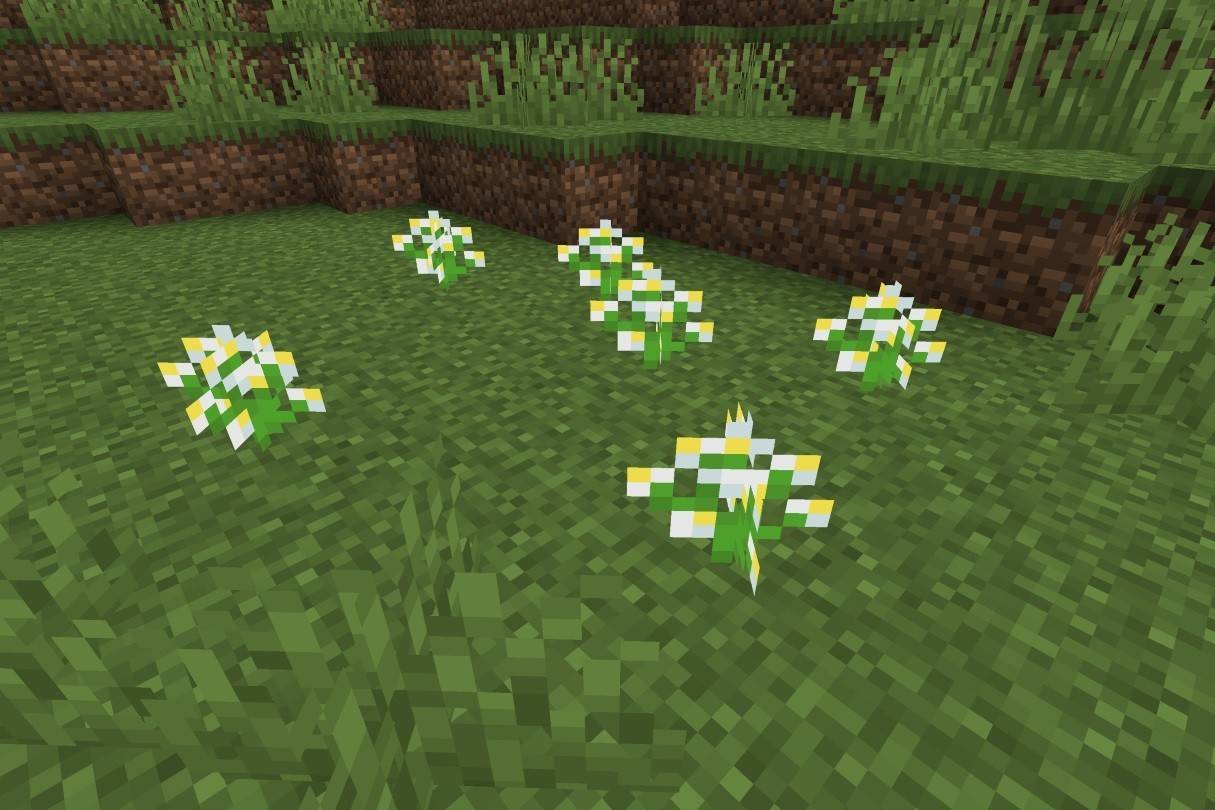 Image: ensigame.com
The azure bluet is a small, white and yellow flower that thrives in grasslands, sunflower plains, and flower forests. It is used to create light gray dye, which can also be made by combining bone meal and gray dye.
Blue Orchid
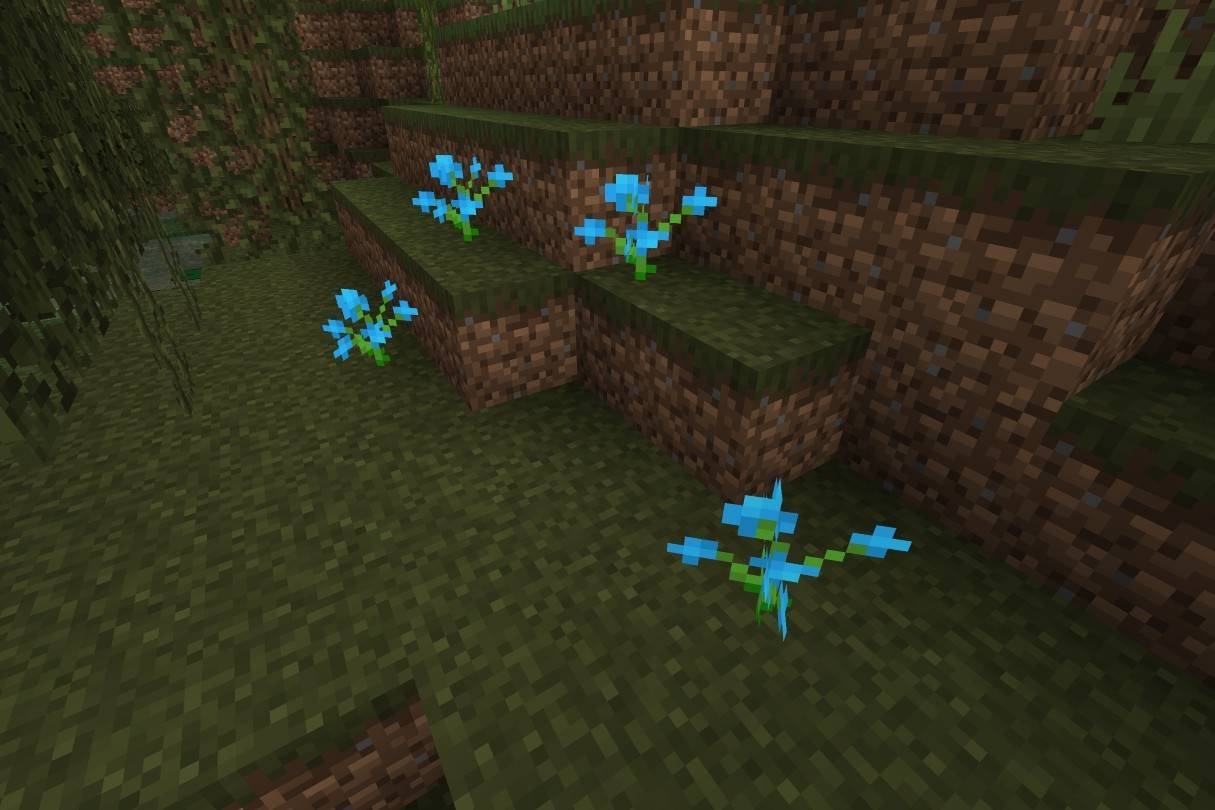 Image: ensigame.com
The blue orchid, a rare and vibrant flower found only in swamp and taiga biomes, is an effective source of light blue dye.
Cornflower
 Image: ensigame.com
Cornflowers are blue flowers that thrive in plains and flowering forests. Their spiky, star-shaped petals make them stand out in any environment. Their primary function is to generate blue dye, used to color wool, glass, and terracotta.
Torchflower
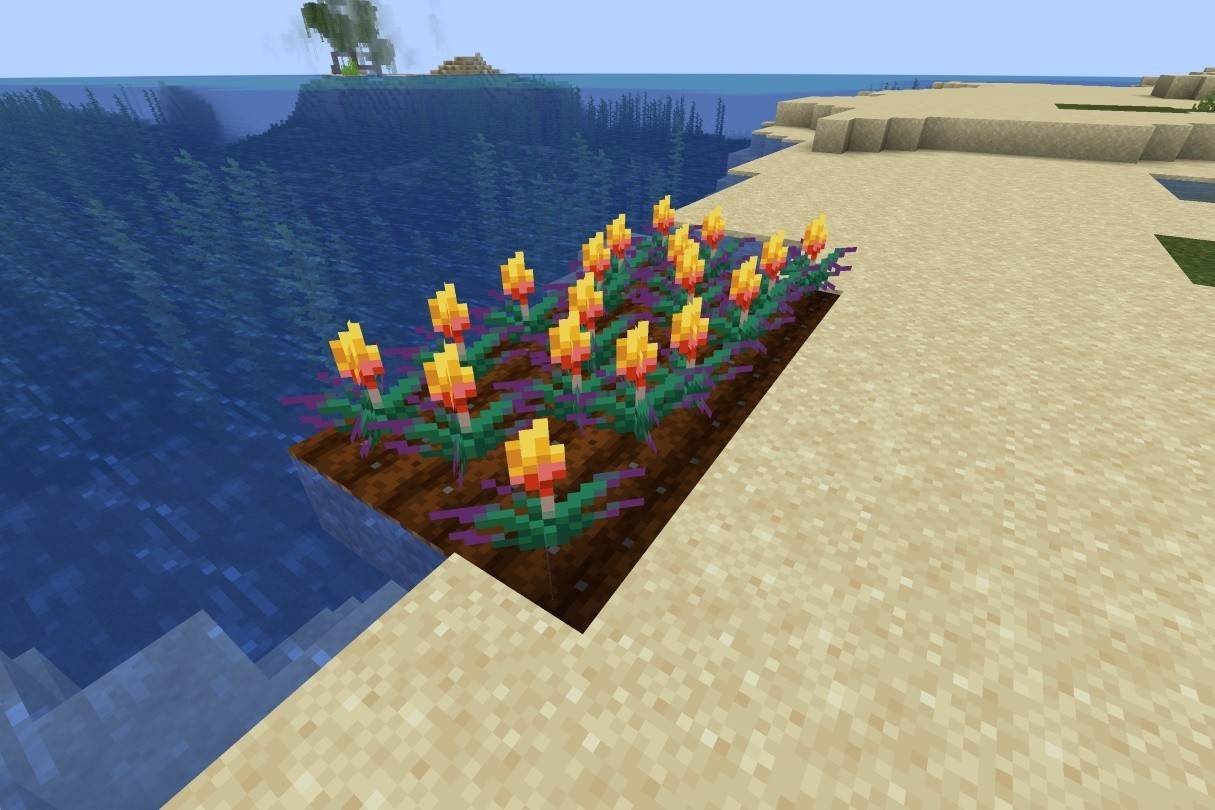 Image: ensigame.com
The torchflower, grown from seeds, yields orange coloring. It does not generate naturally and cannot be spread using bone meal in Bedrock Edition. In Java Edition, endermen can carry and drop it. It can be used to embellish various types of soil and is suitable for flower pots.
Lilac
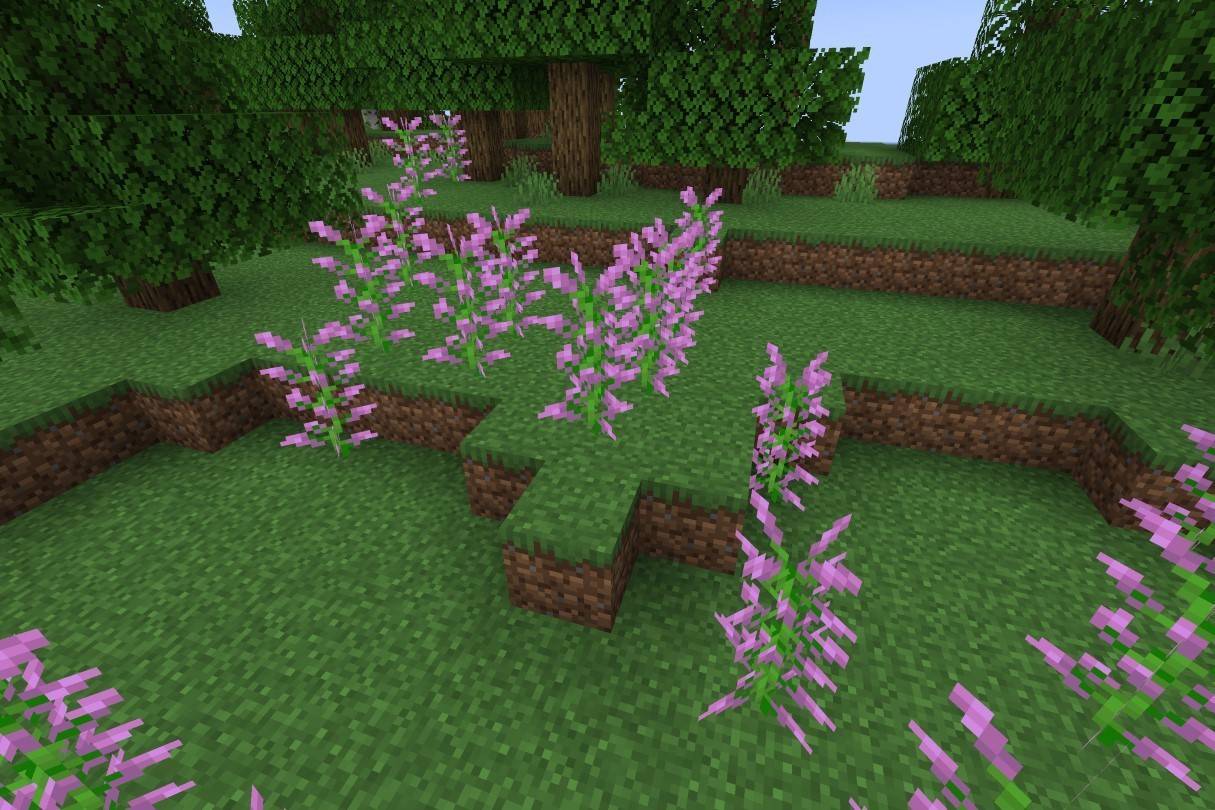 Image: ensigame.com
Lilacs are towering, two-block-high flowers with a soft light-purple hue. They occur naturally across various forest biomes, including plains, and are notable for their distinctive appearance and vibrant color. These blooms can be harvested and used to make magenta dye.
Oxeye Daisy
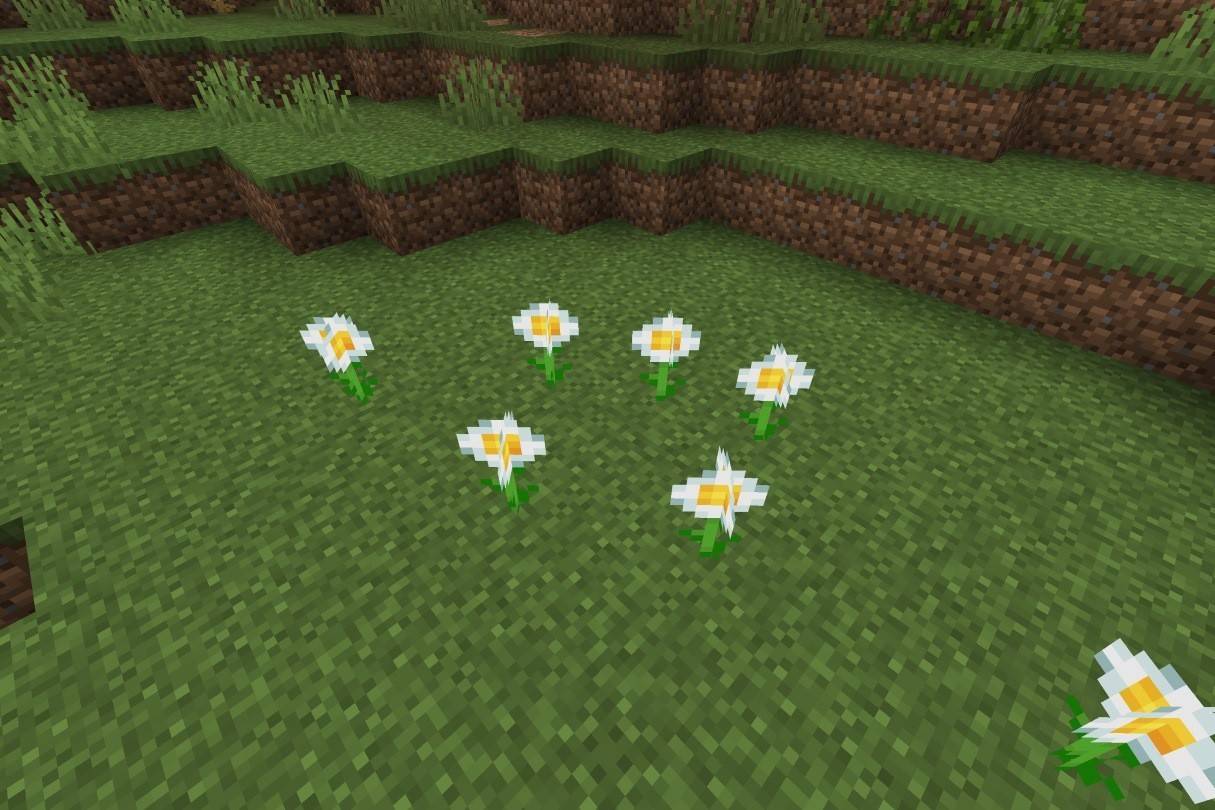 Image: ensigame.com
The oxeye daisy is a simple yet attractive white flower with a yellow center that can be found in plains biomes. It is primarily used to create light gray dye, perfect for dyeing wool, leather armor, and glass. Beyond its functional uses, the oxeye daisy can be used to decorate banners, creating a sun-shaped pattern.
Sunflower
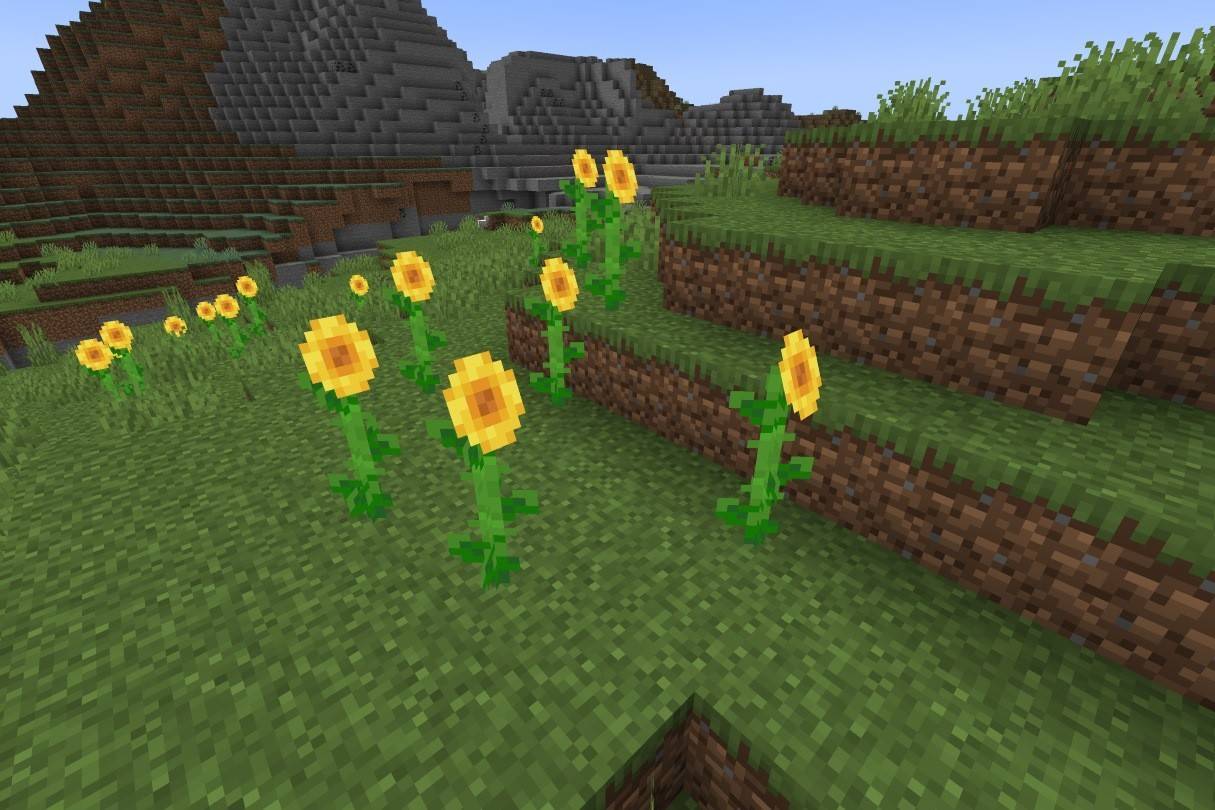 Image: ensigame.com
Sunflowers, introduced in Minecraft 1.7, were initially designed with a realistic appearance but were later modified to fit the game's art style. These tall blooms, which face east to follow the sunrise, are excellent for navigation. They grow in the sunflower plains biome and can be used to make yellow dye.
These blossoms are essential in Minecraft for dyeing and creating potion-like effects. Discover them, experiment with their applications, and unlock their hidden potential.