For two decades, Capcom's *Monster Hunter* series has captivated players with its thrilling blend of strategic combat and intense monster battles. From its 2004 PlayStation 2 debut to the chart-topping success of *Monster Hunter World* in 2018, the series has undergone a remarkable evolution. While each *Monster Hunter* game offers a unique experience, we've ranked the entire series, including major DLC, to determine the ultimate champion. Note: This ranking considers only the "Ultimate" versions of games where multiple editions exist.
Let the hunt begin!
10. Monster Hunter
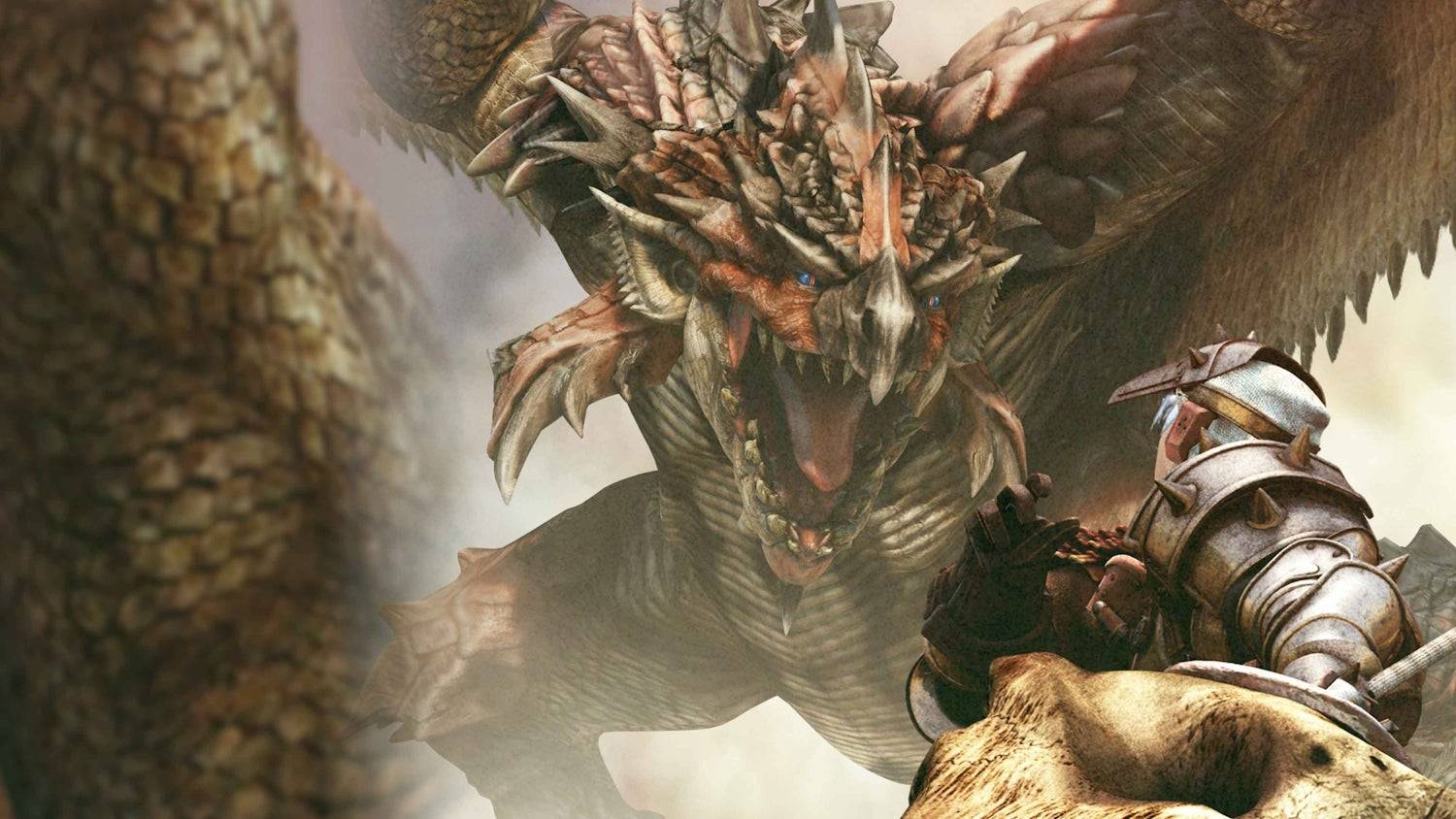 **Developer:** Capcom Production Studio 1 | **Publisher:** Capcom | **Release Date:** September 21, 2004 (NA) | **Review:** IGN's Monster Hunter review
The original Monster Hunter laid the groundwork for the franchise's future success. Its somewhat obtuse instructions and controls might present a challenge for modern players, but the core elements that define the series are all present. Confronting colossal beasts with only your weapon and wits was groundbreaking in 2004, even if the steep learning curve proved frustrating for some. Developed for Capcom's PlayStation 2 online gaming initiative, Monster Hunter's online event missions were a key focus. While official servers are now offline (outside Japan), the single-player experience still allows players to enjoy the hunts that launched a genre.
9. Monster Hunter Freedom
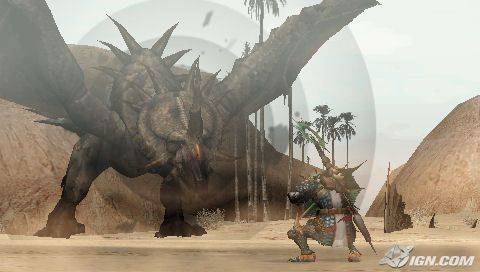 **Developer:** Capcom Production Studio 1 | **Publisher:** Capcom | **Release Date:** May 23, 2006 (NA) | **Review:** IGN's Monster Hunter Freedom review
Released on the PlayStation Portable, Monster Hunter Freedom (2005 in Japan) was the series' first handheld entry, expanding upon Monster Hunter G. Bringing Monster Hunter to a portable platform was a pivotal moment, introducing the series to a wider audience and emphasizing cooperative gameplay. Millions of players connected to hunt together, regardless of location. Despite its less-refined controls and camera, Monster Hunter Freedom remains enjoyable and holds significant historical importance as a blueprint for future handheld titles.
8. Monster Hunter Freedom Unite
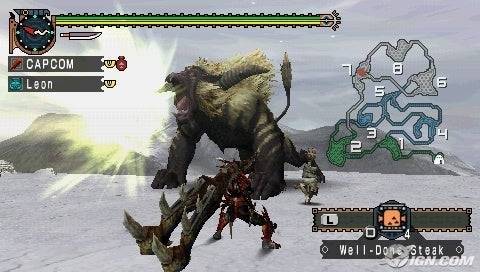 **Developer:** Capcom Production Studio 1 | **Publisher:** Capcom | **Release Date:** June 22, 2009 (NA) | **Review:** IGN's Monster Hunter Freedom Unite review
An expansion of Monster Hunter Freedom 2 (itself an expansion of the Japan-only Monster Hunter 2), Monster Hunter Freedom Unite was the series' largest game at launch. It introduced memorable monsters like the Nargacuga and, for the first time, featured Felyne companions on the battlefield, enhancing the overall experience.
7. Monster Hunter 3 Ultimate
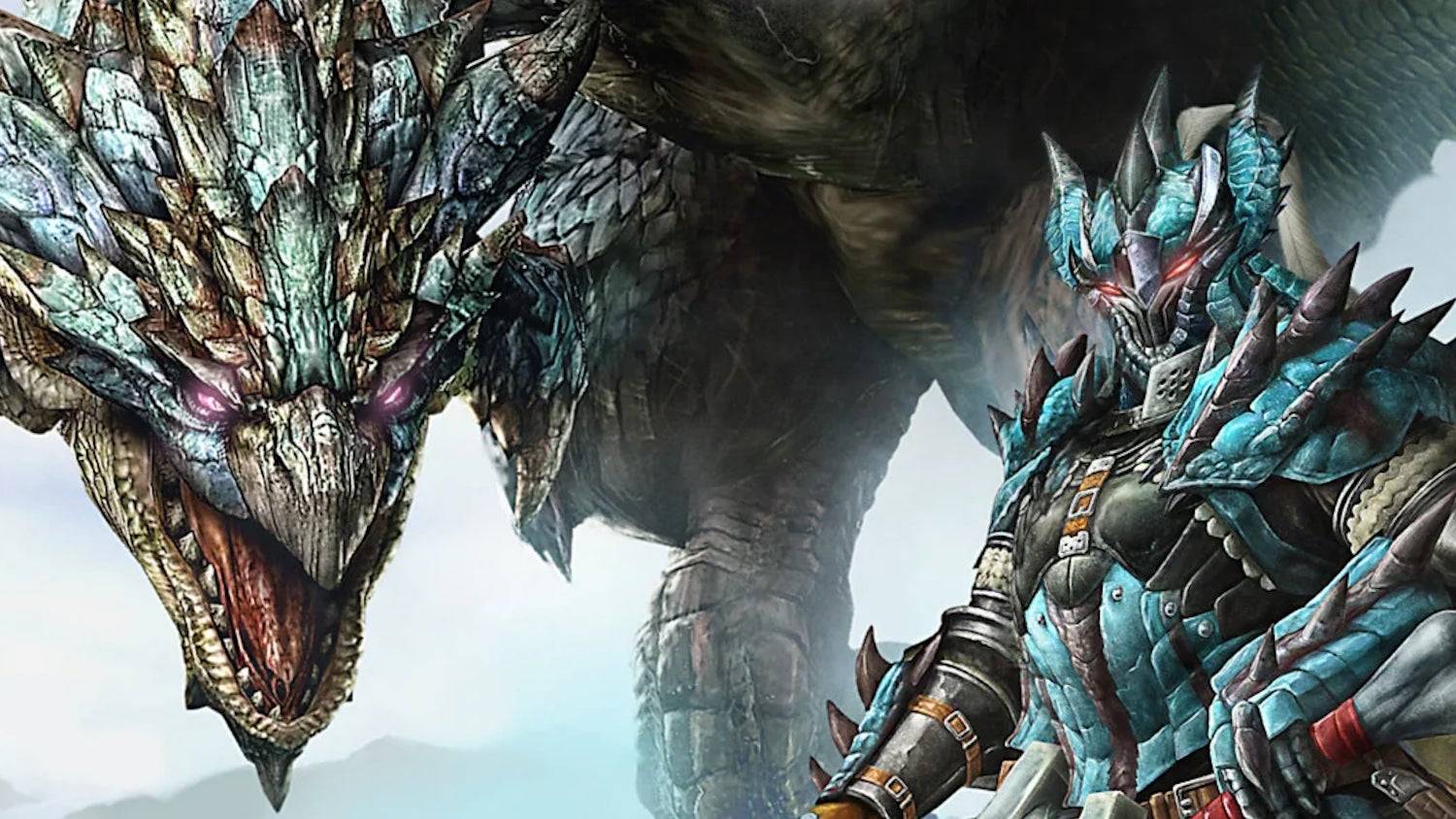 **Developer:** Capcom Production Studio 1 | **Publisher:** Capcom | **Release Date:** March 19, 2013 (NA) | **Review:** IGN's Monster Hunter 3 Ultimate review
Building upon Monster Hunter Tri (2010), Monster Hunter 3 Ultimate refined the story and difficulty, adding new monsters and quests. The return of the Hunting Horn, Bow, Gunlance, and Dual Blades, absent from Tri, provided a more comprehensive weapon selection. Underwater combat added variety, though the camera presented some challenges. While the Wii U's online multiplayer wasn't as advanced as other platforms, co-op remained a central element.
6. Monster Hunter 4 Ultimate
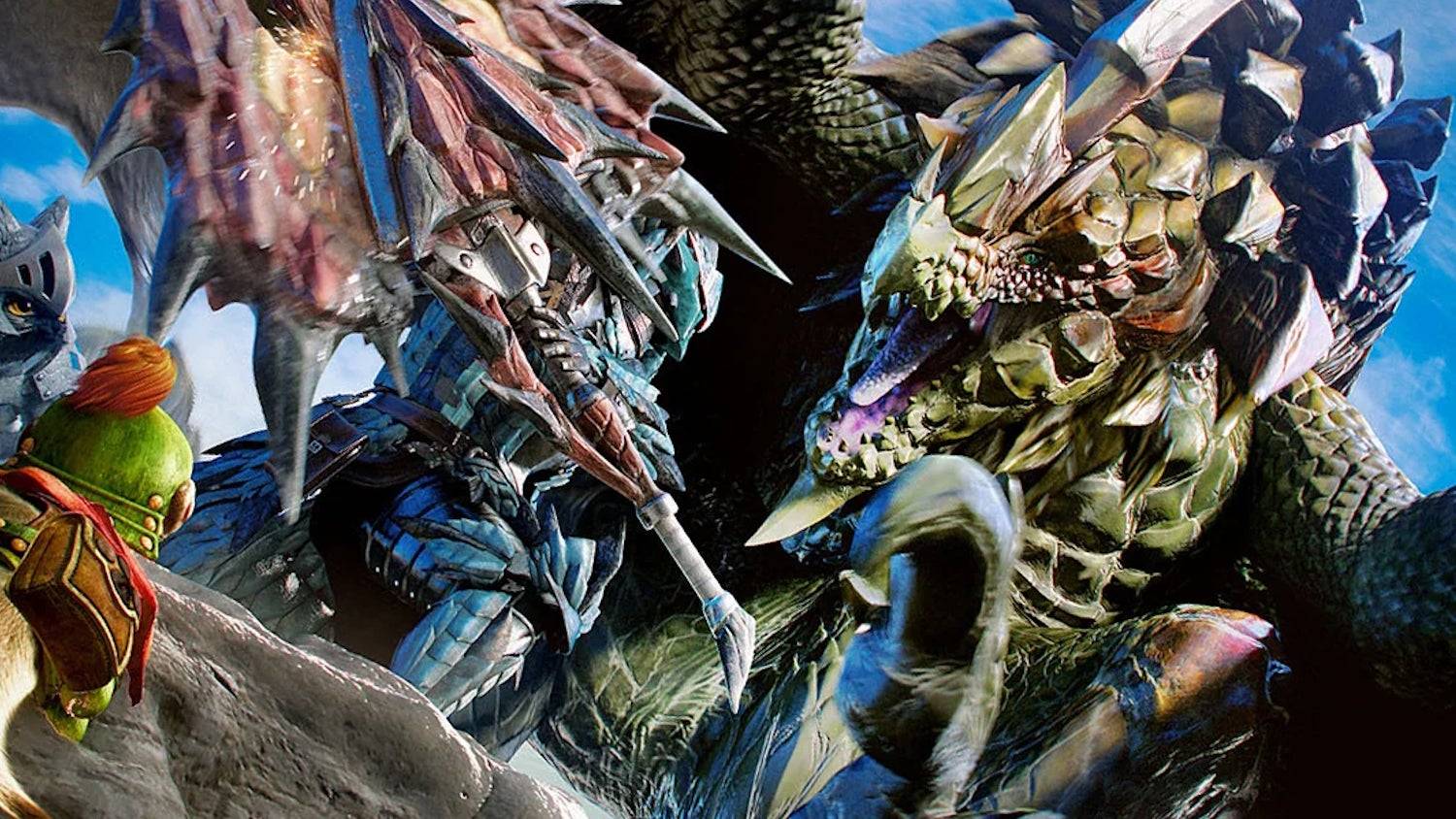 **Developer:** Capcom Production Studio 1 | **Publisher:** Capcom | **Release Date:** February 13, 2015 (NA) | **Review:** IGN's Monster Hunter 4 Ultimate review
Monster Hunter 4 Ultimate marked a significant turning point. Dedicated online multiplayer finally arrived, allowing hunters worldwide to team up. The introduction of Apex Monsters provided challenging endgame content, and vertical movement expanded gameplay possibilities.
5. Monster Hunter Rise
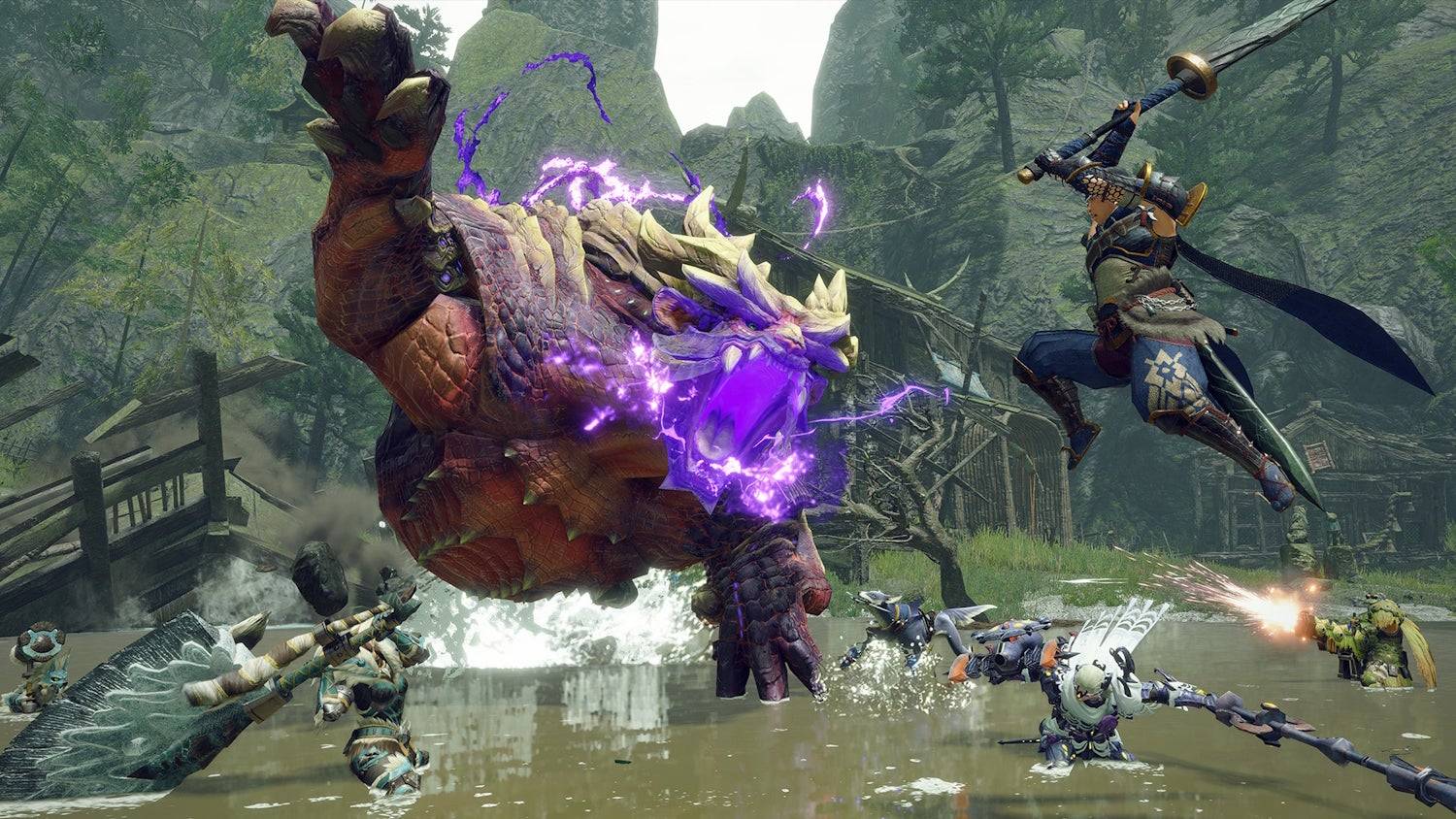 **Developer:** Capcom | **Publisher:** Capcom | **Release Date:** March 26, 2021 | **Review:** IGN's Monster Hunter Rise review
Returning to handhelds after Monster Hunter World, Rise refined the series' console mechanics for a portable experience. Palamutes (rideable canine companions) and the Wirebug mechanic, enabling acrobatic maneuvers, enhanced mobility and combat.
4. Monster Hunter Rise: Sunbreak
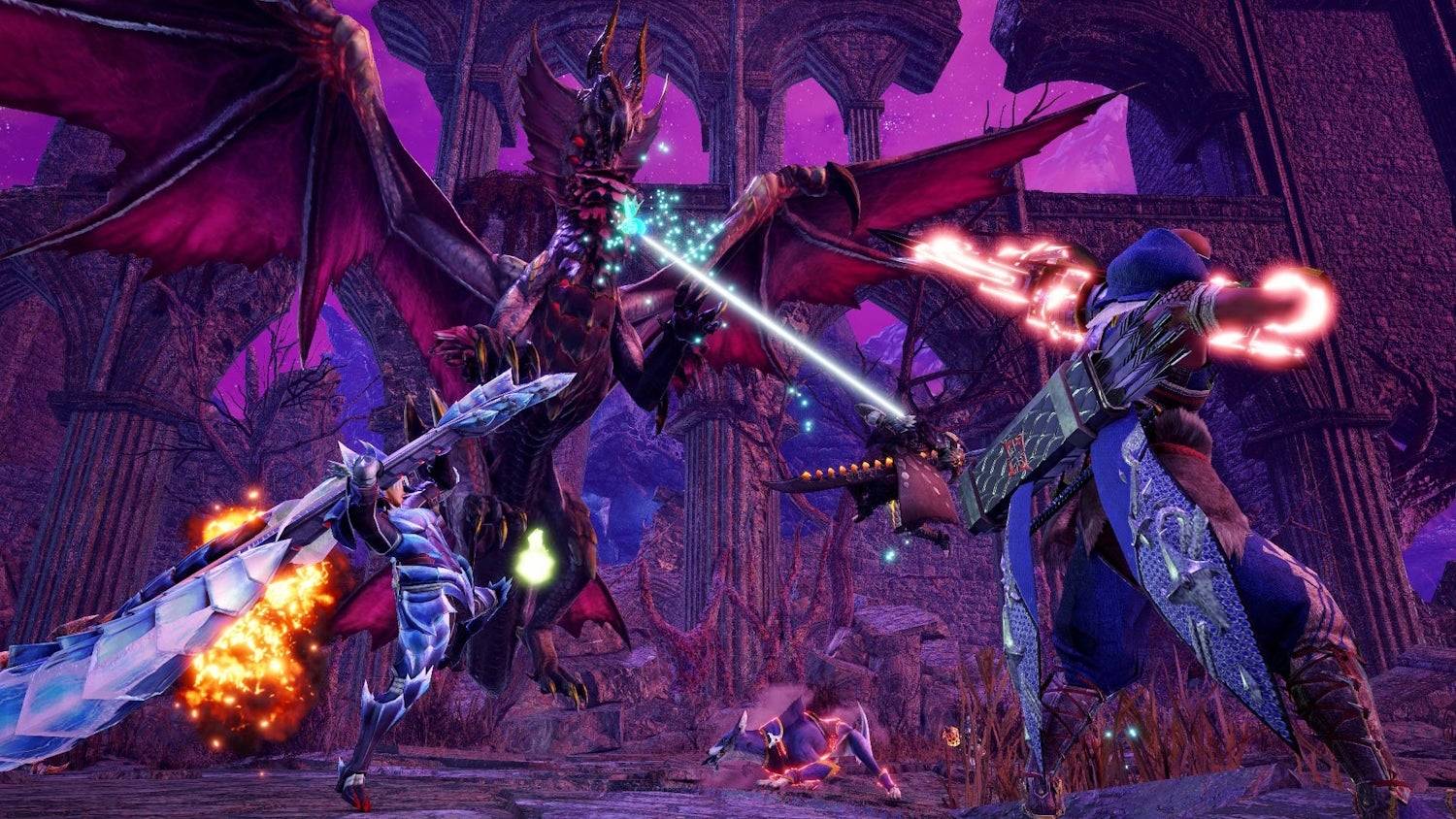 **Developer:** Capcom | **Publisher:** Capcom | **Release Date:** June 30, 2022 | **Review:** IGN's Monster Hunter Rise: Sunbreak review
Sunbreak, a massive expansion, added a new location, monsters, and a revised weapon system. Its gothic setting and challenging endgame hunts are highlights, particularly the final battle against Malzeno.
3. Monster Hunter Generations Ultimate
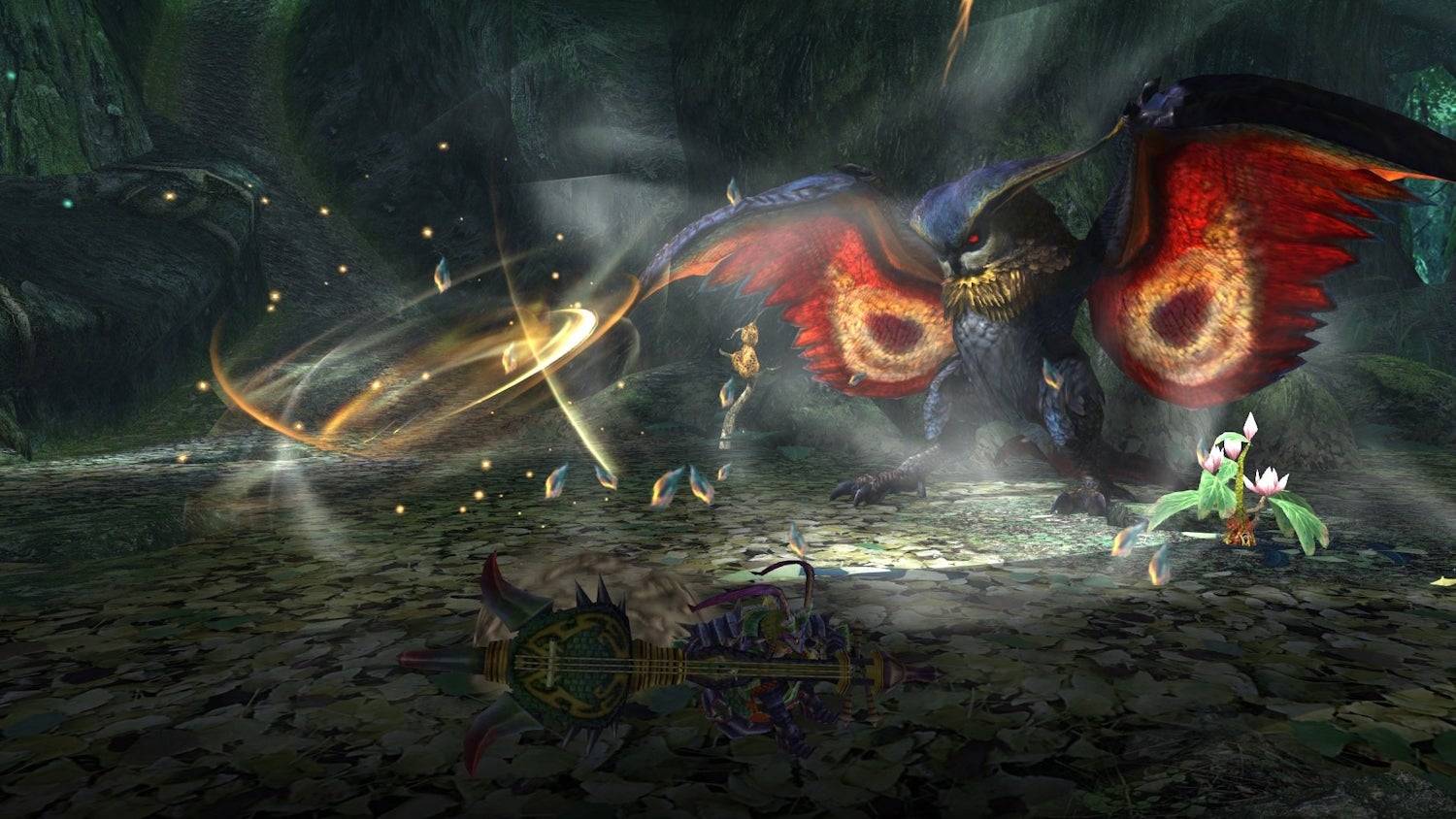 **Developer:** Capcom | **Publisher:** Capcom | **Release Date:** August 28, 2018 | **Review:** IGN's Monster Hunter Generations Ultimate review
Generations Ultimate boasts the series' largest monster roster (93) and a deep customization system, including Hunter Styles that significantly alter gameplay.
2. Monster Hunter World: Iceborne
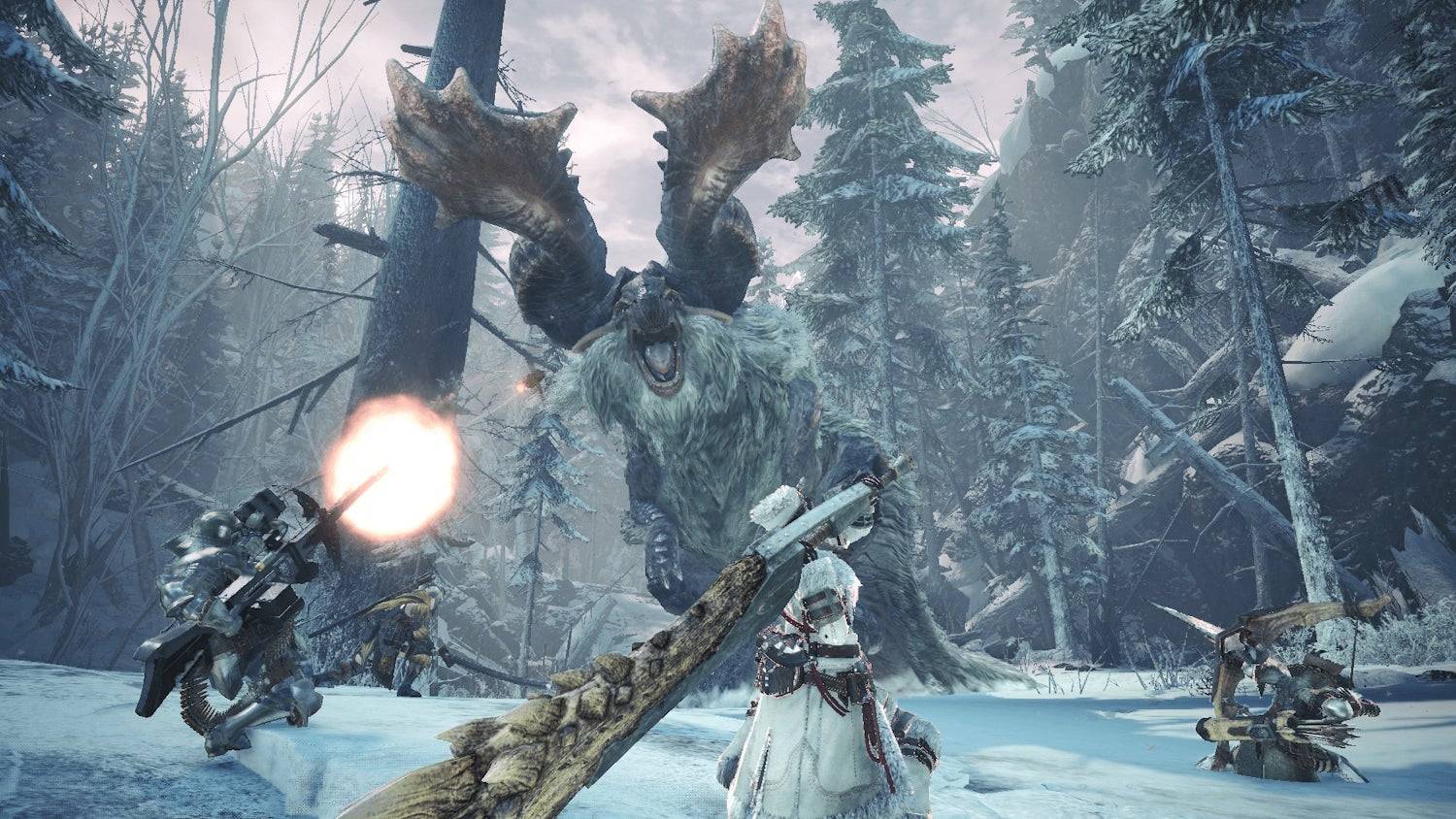 **Developer:** Capcom | **Publisher:** Capcom | **Release Date:** September 6, 2019 | **Review:** IGN's Monster Hunter World: Iceborne review
Iceborne, a substantial expansion to World, feels like a full sequel, adding a massive campaign, new monsters (like Savage Deviljho, Velkhana, and Fatalis), and quality-of-life improvements. The Guiding Lands, a combination of previous zones, is a standout feature.
1. Monster Hunter: World
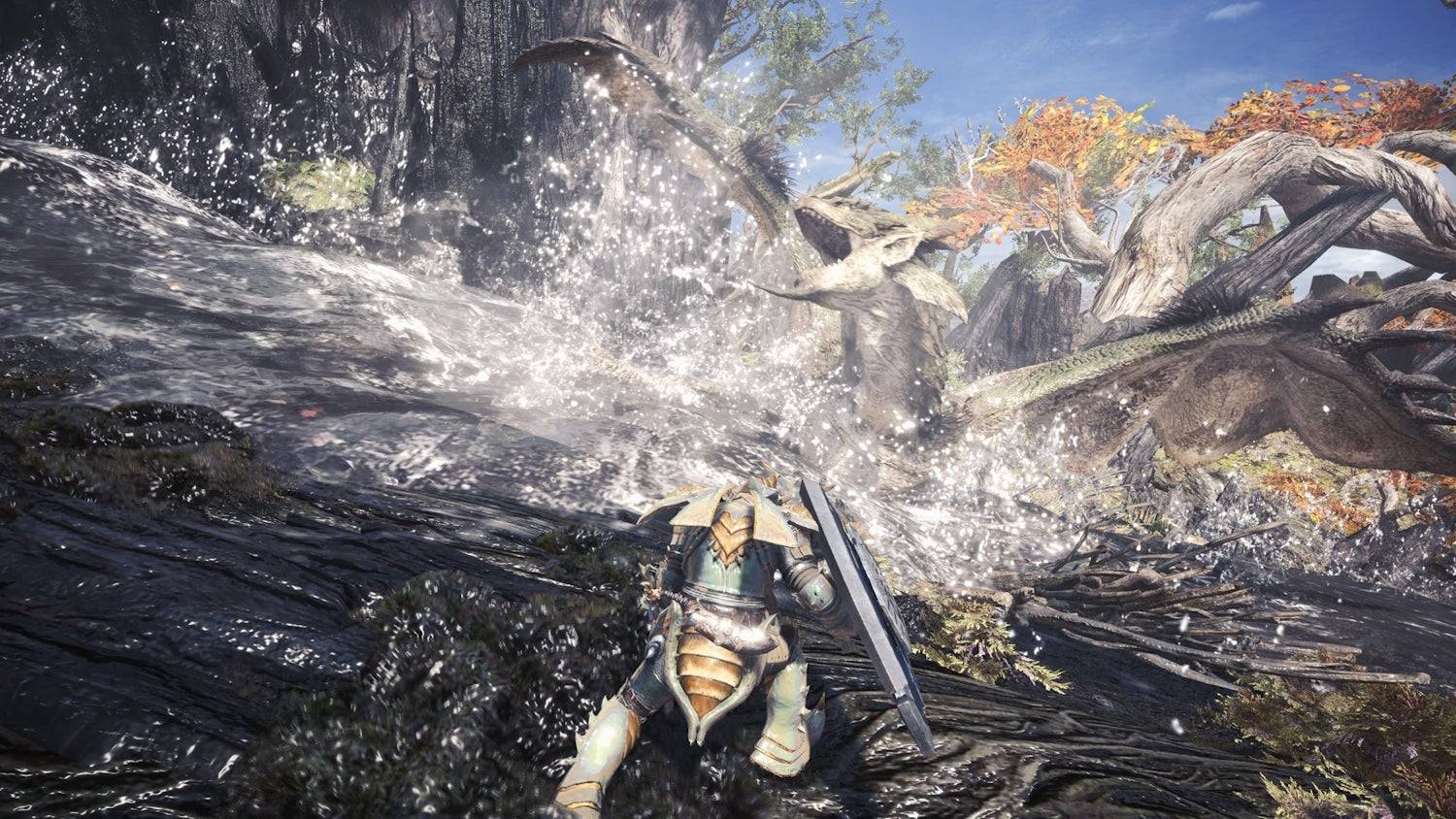 **Developer:** Capcom | **Publisher:** Capcom | **Release Date:** January 26, 2018 | **Review:** IGN's Monster Hunter: World review
Monster Hunter: World catapulted the series to global recognition. Its large, open environments, thrilling hunts, and immersive ecosystem set it apart. The sense of scale, diverse environments, and improved story elevate it above other entries.
The 10 Best Monster Hunter Games
This ranking represents our selection of the top ten Monster Hunter games. Share your thoughts and rankings! Are you anticipating Monster Hunter Wilds? Let us know in the comments.