In 1947, The Walt Disney Company faced a dire financial crisis, burdened by the substantial losses incurred from films like *Pinocchio*, *Fantasia*, and *Bambi*. World War II and other factors had severely impacted the studio's financial health, leaving it approximately $4 million in debt. However, the release of *Cinderella* proved to be a pivotal moment, rescuing the company from potential ruin and securing its legacy.
As *Cinderella* celebrates its 75th anniversary of its wide release on March 4th, we reflect on its enduring appeal and the remarkable parallels between its narrative and Walt Disney's own journey. The film not only revitalized the studio but also offered a beacon of hope to a world recovering from the devastation of war.
The Right Film at the Right TimeDisney's success began with *Snow White and the Seven Dwarfs* in 1937. Its unprecedented success enabled the construction of the Burbank studio and paved the way for future feature-length animations. However, subsequent films like *Pinocchio*, despite critical acclaim and awards, faced financial setbacks. *Fantasia* and *Bambi* further exacerbated the studio's debt. This underperformance was largely attributed to the disruption caused by World War II, which severely curtailed European markets and diverted the studio's resources towards wartime production.
“Disney's European markets dried up during the war, hindering the success of films like *Pinocchio* and *Bambi*,” explains Eric Goldberg, co-director of *Pocahontas* and lead animator on *Aladdin’s* Genie. “The studio was involved in creating training and propaganda films for the military, and subsequently produced 'Package Films'—collections of shorter cartoons compiled into feature-length releases. These were well-made but lacked the cohesive narrative of earlier features.”
These Package Films, six in total between Bambi (1942) and Cinderella (1950), included titles like Saludos Amigos and The Three Caballeros, produced as part of the U.S. Good Neighbor Policy. While profitable, they prevented the studio from focusing on full-length animated features. Walt Disney himself expressed his desire to return to feature-length animation, acknowledging the significant investment and time required.
Faced with the possibility of selling his shares and abandoning animation, Walt and his brother Roy O. Disney opted for a high-stakes gamble, investing everything in *Cinderella*, a project that could have marked the end of Disney's animation studio. *Alice in Wonderland*, *Peter Pan*, and *Cinderella* were all in development, but *Cinderella*, with its similarities to *Snow White*, was chosen for its potential to resonate with audiences.
“Walt understood the post-war need for hope and joy,” notes Tori Cranner, Art Collections Manager at the Walt Disney Animation Research Library. “While *Pinocchio* is beautiful, it lacks the joyful tone of *Cinderella*. The world needed a story of overcoming adversity, and *Cinderella* was the perfect choice.”
Cinderella and Disney’s Rags to Riches Tale
Walt Disney's fascination with *Cinderella* extended back to 1922, when he created a short film during his time at Laugh-O-Gram Studios. The story, adapted from Charles Perrault's version of the fairytale, resonated with Disney due to its rags-to-riches theme and its message of perseverance. Although Laugh-O-Gram Studios eventually went bankrupt, the experience solidified the significance of the Cinderella story for Walt.
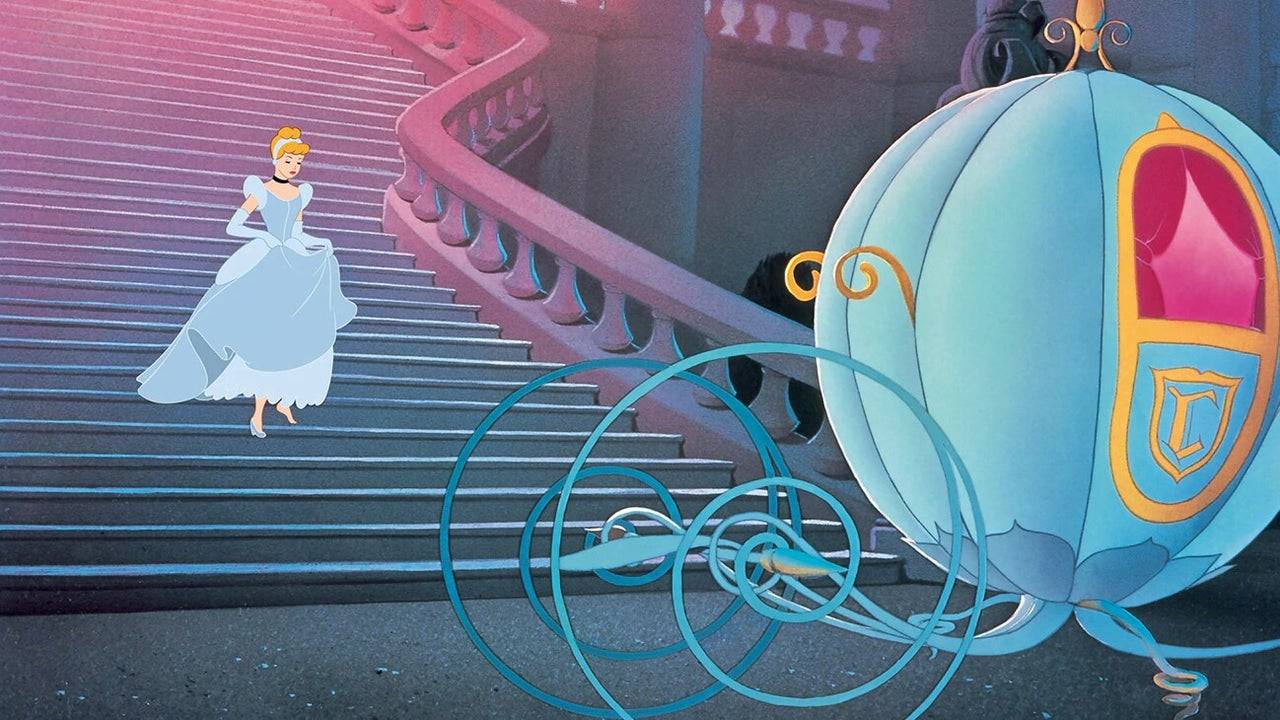
Walt distinguished Cinderella from Snow White, highlighting Cinderella's proactive nature: “Snow White was a kind girl who believed in wishing and waiting. Cinderella believed in dreams, but also in actively pursuing them,” he explained. This proactive spirit mirrored Disney's own entrepreneurial drive and resilience in the face of numerous setbacks.
The development of the *Cinderella* feature film, initiated in 1938, was prolonged by the war and other factors. However, this period allowed for refinement and evolution, resulting in the classic film known today. Disney's ability to adapt and reinterpret classic fairytales, imbuing them with his unique style and universal appeal, contributed significantly to the film's success.
“Disney modernized these fairytales, making them palatable for all audiences,” Goldberg explains. “He added elements like Cinderella's animal companions, providing comic relief and allowing for emotional expression. The Fairy Godmother's character was also reimagined, making her more relatable and endearing.”
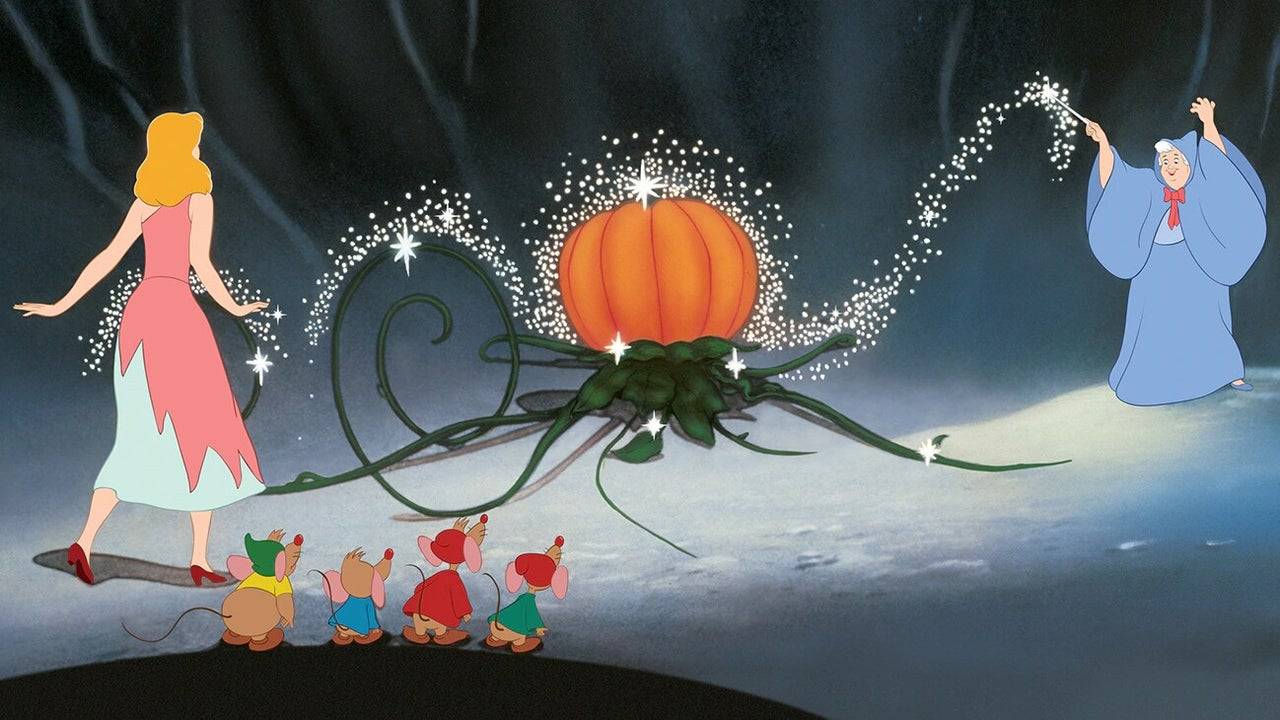
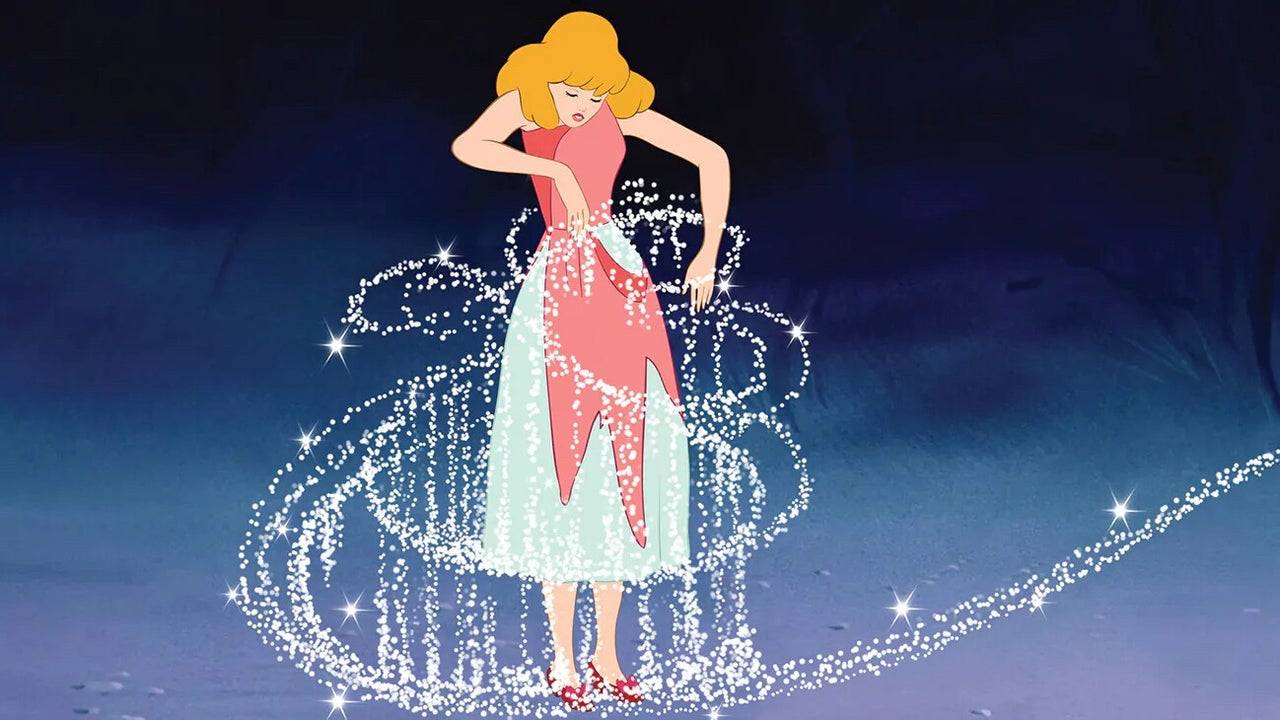
The iconic transformation scene, a testament to the artistry of Marc Davis and George Rowley, is often cited as Walt Disney's favorite animation sequence. The meticulous detail, including the hand-drawn sparkles, contributes to the scene's magic. The addition of the broken glass slipper, unique to Disney's adaptation, further enhances Cinderella's character and emphasizes her strength and resourcefulness.
Premiering in Boston on February 15, 1950, and receiving a wide release on March 4th, *Cinderella* was a resounding success, surpassing the box office performance of all Disney films since *Snow White*. Its financial triumph and critical acclaim marked a turning point for the studio, signaling its return to producing narrative features.
“Critics celebrated *Cinderella* as a sign of Disney's resurgence,” Goldberg states. “The film revitalized the studio's creative spirit and paved the way for future classics like *Peter Pan*, *Lady and the Tramp*, and many more.”
75 Years Later, Cinderella’s Magic Lives On
The enduring legacy of *Cinderella* is evident in Disney's continued success and its influence on subsequent films. Her castle remains an iconic symbol, and her story continues to inspire. The dress transformation scene in *Frozen*, for instance, draws direct inspiration from *Cinderella*'s magic.
While many contributed to Cinderella's success, including the Nine Old Men and Mary Blair, the film's enduring message of hope and perseverance remains its most powerful legacy. As Goldberg concludes, “Cinderella offers hope that with perseverance and strength, dreams can come true, regardless of the circumstances.”







![Return To The Village [BETA]](https://imgs.dgmma.com/uploads/96/1731064514672df2c2b2319.webp)